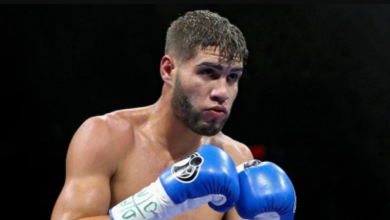
8 Reaction Drills That Elevate Striking Timing
You know what the most frustrating thing about striking is? You can throw fast punches over and over again and still land almost nothing. Of course, speed helps and power matters, but timing is what decides who actually connects.
But if you take the time to carefully watch high-level MMA strikers and how they move, you’re likely to notice something odd: they rarely look rushed. Instead, they seem to arrive exactly when an opening appears, almost as if they knew it was coming.
Is that just experience? Not quite; timing is a trainable skill built from recognition, reaction, and decision-making under pressure. The brain learns to spot tiny cues, predict movement, and fire the right strike before the opportunity disappears.
Science backs this up. Research in combat sports shows that expert fighters outperform novices not simply because they move faster, but because they recognize relevant visual information earlier (also known as perceptual anticipation) and make quicker decisions under pressure.
The good news is, you don’t need endless sparring rounds to improve. The drills below train the reactions that separate throwing combinations from landing them.
1. Use Light-Board Cues Instead of Predictable Combinations
Reaction lights have become common in professional gyms for a reason. They remove anticipation and force genuine decision-making.
Program different colors to represent different strikes or defensive actions. Green might mean jab, blue could trigger a slip before the cross, while red requires a quick level change. Your job isn’t to memorize patterns. It’s to recognize the cue and respond immediately.
Keep rounds short (30 to 60 seconds). Once your reactions stay sharp, reduce the response window so your brain has less time to process each signal.
2. Turn the Slip Line Into a Timing Drill
Most people treat the slip line as a warm-up. What you want to do instead is make every movement lead somewhere.
Slip outside and fire a jab, roll under and answer with a hook, or step off the line and immediately reset your stance before striking again. It’s a small adjustment, but it changes everything. Instead of practicing head movement in isolation, you teach yourself to attack during the moment your opponent expects you to defend.
3. Build Call-and-Response Partner Sequences
Here’s a drill that develops reactions without turning every session into hard sparring. Your partner calls a simple attack, like a jab or a low kick. You respond with the agreed defensive action and an immediate counter.
After several rounds, remove the verbal cue and rely only on visual movement. Eventually, allow your partner to mix attacks freely. Your reactions will become less scripted, and your counters will begin to appear naturally instead of feeling rehearsed.
4. Learn to Read Feints Instead of Falling for Them
Ask your partner to mix genuine attacks with convincing fakes. Your objective isn’t to react to everything. It’s to stay disciplined long enough to identify the real threat before committing.
Elite strikers rarely bite on the first movement. They wait for confirmation, then explode. And that patience saves energy and creates cleaner countering opportunities.
5. Pool Noodles Can Expose Defensive Habits
Because pool noodles are soft and fast, your partner can throw dozens of attacks in rapid succession without increasing injury risk. So focus on clean defensive movement rather than blocking everything with your gloves.
Once you’re comfortable, add immediate counters after each successful evade. The drill quickly reveals whether your defense actually creates offensive opportunities or simply delays the next exchange.
6. Add Stance-Switch Triggers
Many fighters practice switching stance during shadowboxing. It’s useful, but it’s also predictable.
Instead, assign specific triggers. Switch after slipping outside, and after defending a kick, and after landing your jab-cross. Those transitions become tied to real fight situations rather than random movement.
You’ll also discover which combinations survive the transition and which ones completely fall apart (every striker has a few).
7. Train Counter Windows After Every Reset
Many exchanges end the same way. Both fighters disengage, both reset, and then both pause for a fraction of a second.
That brief reset often becomes the safest moment to launch the next attack because many opponents mentally relax before re-engaging.
During partner drills, deliberately create that rhythm. Exchange, separate, reset, then have one fighter attack unpredictably. The other must identify the opening and counter immediately. You’ll start recognizing these moments during live sparring much sooner.
8. Finish With Chaos Rounds
Predictability creates confidence. Chaos? It creates adaptable fighters.
Ask your coach or partner to shout completely random commands during a round: jab, clinch, exit, counter, southpaw, circle left, defend, etc.
Some commands should even contradict each other to force rapid adjustment.
The point isn’t perfection. It’s maintaining technical decisions while your brain processes multiple pieces of information at once.
Interestingly, striking coaches aren’t the only ones who think this way. Instructors across other high-pressure disciplines, including the shooting sports community, also train people to recover quickly from unexpected stimuli instead of freezing or overreacting. The drills differ, but the objective is very similar: stay composed, stabilize, and execute the next movement cleanly.
Interestingly, this kind of reaction training is not unique to striking. Other high-pressure disciplines also place a major emphasis on recognizing cues, staying composed, and making clean decisions under stress. In shooting sports, for example, athletes often train to process visual information quickly, manage adrenaline, and execute with control rather than panic.
That overlap is what makes timing such a valuable concept beyond the ring. Whether someone is slipping a punch, reacting to a coach’s command, or working through controlled shooting-sport drills, the goal is similar: avoid freezing, read the situation, and respond with precision. For readers interested in that side of performance training and firearms-related equipment, companies like Black Aces Tactical operate in the tactical and shooting-sports space.
Different discipline, same broader lesson: composure under pressure is trained, not guessed.
Make Timing the Goal, Not Speed
Many fighters are after faster hands, which is understandable to a degree. But the reality is, most simply need better decisions.
Research shows that elite combat athletes excel at picking up advanced visual cues from opponents, allowing them to anticipate attacks earlier than less experienced competitors. And that advantage often matters more than raw reaction speed because the decision starts before the strike fully develops.
So the next time you train, let the following question mold your session: “How quickly can I recognize the moment to punch?” That’s the skill these drills build. And once your timing improves, your speed will also seem faster, even if it hasn’t changed at all.