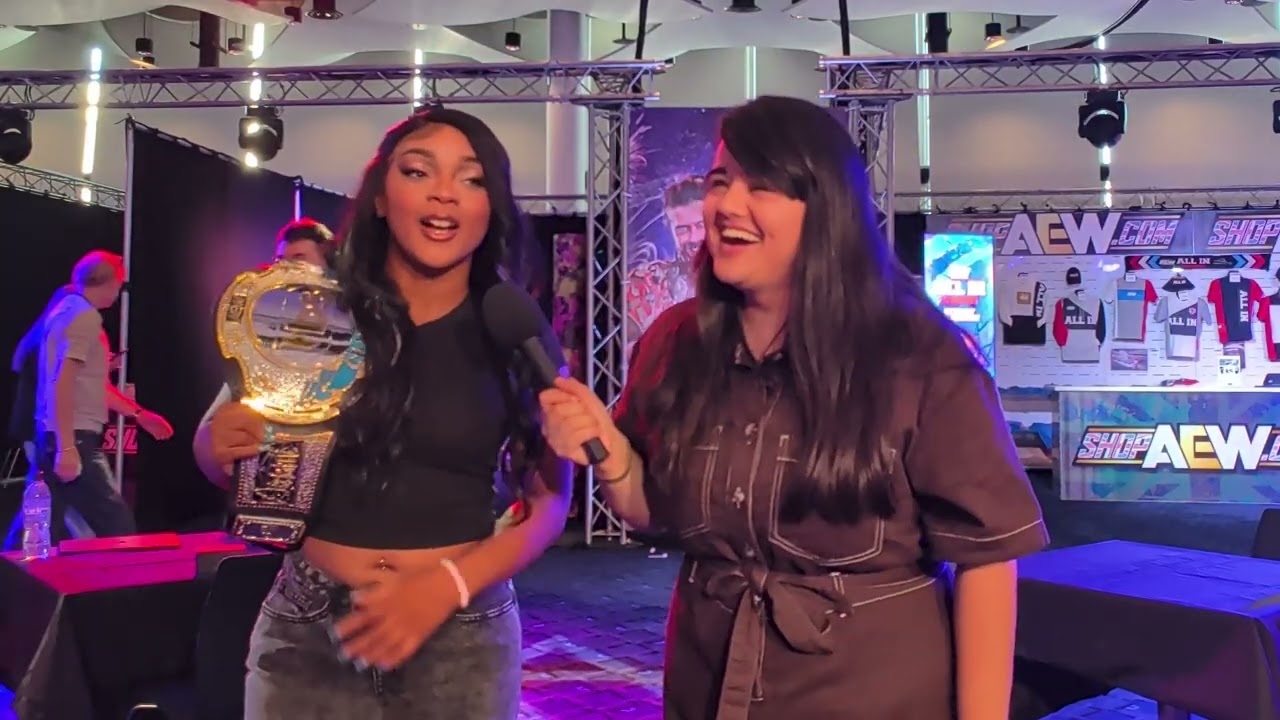
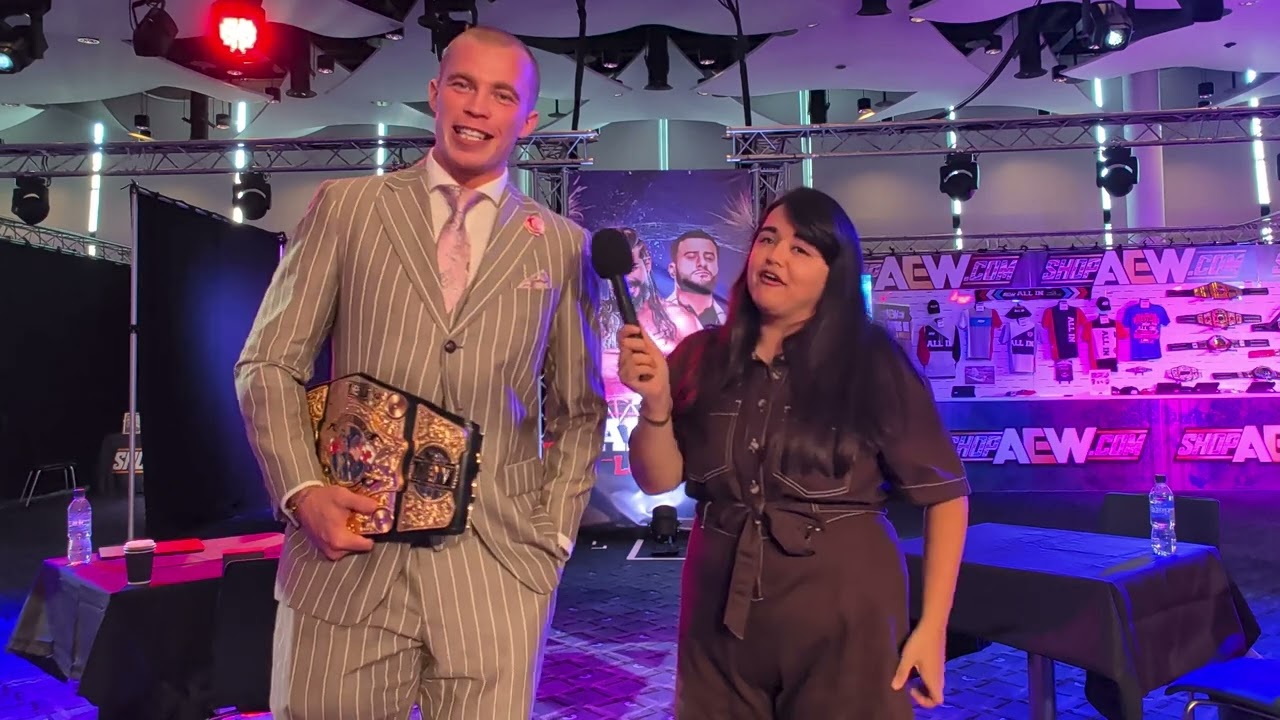
From WWE to AEW: Why Contract Status Has Become a Major Wrestling Story
Professional wrestling fans once focused mainly on matches, championships, rivalries, and major events. Those subjects still drive much of the discussion, but another issue now receives serious attention: contract status. Fans regularly discuss when a wrestler’s deal ends, whether negotiations have started, and what the performer might do next.
The growth of several major wrestling promotions has made these questions much more relevant. A wrestler who reaches the end of a deal may have several realistic career choices. That uncertainty creates discussion long before anyone announces a final decision. Contract news can also affect ongoing storylines, television appearances, match results, and long-term plans.
This interest reflects a broader change in how people follow wrestling. Fans no longer limit their attention to weekly programs. They read interviews, follow reports, discuss business decisions, and track developments throughout the week. Wrestling now competes for attention with many forms of digital entertainment, from social media and streaming content to platforms such as gangstasino casino. As a result, news outside scheduled shows can become part of the daily fan experience.
Why Contract News Matters More Today
A contract determines much more than where a wrestler works. It can shape television schedules, event appearances, creative plans, merchandise arrangements, outside projects, and the length of a performer’s relationship with a promotion.
The modern wrestling industry also gives established performers more choices than they had during periods when one major promotion controlled most of the high-profile television market in the United States. WWE and AEW operate large national wrestling programs, while other organizations provide additional places to work in the United States and abroad.
That structure gives contract negotiations greater importance. When a recognized wrestler approaches the end of an agreement, fans immediately start asking questions. Will the performer sign another deal? Will the promotion continue featuring that person on television? Could another organization make an offer?
Sometimes those questions produce weeks or months of discussion without a dramatic conclusion. A wrestler may simply sign a new agreement and continue working in the same role. Even then, the negotiations can reveal useful information about career priorities and a promotion’s future plans.
Fans Now Follow the Business Side of Wrestling
Digital media has changed the amount of information available to wrestling audiences. Interviews, podcasts, social posts, news reports, and public comments from wrestlers give fans regular access to subjects that previous generations rarely encountered.
Contract discussions benefit from that environment because they develop over time. A wrestler may first mention that a deal expires later in the year. Another report may indicate that talks have started. Several weeks later, the performer might discuss future goals during an interview.
Each development creates another piece of the story.
Fans commonly watch several factors:
- the reported expiration date of an agreement;
- changes in television appearances;
- comments from the wrestler about future plans;
- public statements from promotion officials;
- reported negotiations over a new deal;
- upcoming matches that could affect current storylines.
None of these factors guarantees a particular outcome. A wrestler can disappear from television because of an injury, personal circumstances, or a planned storyline. Someone can also discuss another promotion without intending to sign there.
That uncertainty explains why careful reporting matters. Contract stories often involve incomplete information, and circumstances can change during negotiations.
WWE and AEW Created More Contract Questions
Competition between WWE and AEW has increased interest in wrestler movement. Both promotions need experienced performers, developing talent, established television names, and wrestlers who can fill specific roles.
That does not mean every expiring contract creates a bidding contest. Promotions make decisions according to their own plans, budgets, schedules, and roster needs. Wrestlers also consider far more than money.
Some performers value a lighter schedule. Others want more television time or greater control over outside appearances. Family commitments can affect decisions. Creative direction can matter as well.
The existence of another major destination still changes the conversation. When a wrestler reaches the end of a deal, fans can reasonably consider several possible outcomes instead of assuming that the person will automatically stay.
This situation also makes contract timing important. A promotion must decide whether it wants to negotiate early, wait until later in the agreement, or allow the deal to expire. The wrestler must make similar calculations while continuing to perform.
Contract Status Can Affect Storylines
Professional wrestling combines athletic competition with planned television stories, so contract uncertainty creates unusual challenges.
A promotion may spend months developing a wrestler’s position on television. If that performer plans to leave, creative teams need to adjust future programs. They may conclude rivalries, change championship plans, or reduce the wrestler’s role before the agreement ends.
However, viewers should avoid treating every storyline development as evidence of a contract decision.
A wrestler losing several matches does not necessarily indicate an upcoming departure. A sudden television absence does not confirm failed negotiations. Wrestling programs regularly change plans for reasons that have nothing to do with contracts.
Still, confirmed contract information can add context. If a wrestler publicly says that an agreement expires in three months, viewers naturally pay closer attention to how the promotion uses that performer.
This creates an unusual relationship between business reporting and television storytelling. News from outside the program can change how audiences interpret what they see during the show.
Free Agency Creates Another Stage of the Story
When a wrestler reaches free agency, the discussion changes. Fans no longer ask only whether the performer will renew an existing deal. They start considering potential destinations, schedules, opponents, and career goals.
The wrestler may also take time before making a decision.
That period can allow a performer to evaluate several options without immediately committing to another long-term agreement. Some wrestlers accept independent bookings. Others focus on personal projects or simply take time away from regular television.
Promotions face their own decisions. Signing an available wrestler requires more than identifying a recognizable name. Officials must determine how that person fits the roster and what role makes sense over the length of the proposed agreement.
A large roster can make those calculations harder. Television programs have limited time, and every new signing creates another demand for that time.
Not Every Contract Works the Same Way
Fans often discuss wrestling contracts as though every agreement follows the same structure. In reality, individual deals can contain different terms.
The length of an agreement represents only one part of the arrangement. Contracts can address compensation, dates, outside work, merchandising, injury provisions, renewal terms, and other issues.
Some agreements can also include options that affect the actual end date. Injury time may influence certain situations as well. Because of these details, a reported expiration date does not always tell the complete story.
This explains why contract reporting requires precise language. A wrestler saying, “My deal runs through this year,” does not necessarily establish an exact final date. A report about negotiations also does not confirm that either side has reached an agreement.
Fans who follow these stories benefit from separating confirmed facts from reasonable speculation.
Wrestlers Have Their Own Priorities
Contract coverage often focuses heavily on promotions, but performers make personal career decisions.
A wrestler may consider salary, schedule, creative plans, travel, family responsibilities, health, outside projects, and long-term goals. Different performers will assign different weight to each factor.
Age can also influence the discussion. A younger wrestler may focus on gaining regular match experience and television exposure. A veteran may prefer fewer dates after years of extensive travel.
Contract decisions therefore rarely come down to one issue.
Even public comments can reveal only part of the calculation. Wrestlers do not always discuss private negotiations in detail, and promotions often keep contractual terms confidential.
That leaves reporters and fans working with limited information until one side confirms a final outcome.
Social Media Speeds Up Contract Speculation
Social platforms can turn a small contract detail into a major wrestling discussion within minutes. A wrestler can change a profile description, post a photograph, or make a brief comment, and fans may immediately connect it to ongoing negotiations.
Sometimes that interpretation makes sense. Often it does not.
The speed of online discussion creates a basic problem: speculation can travel much faster than confirmed information. One account may make an unsupported claim, other users may repeat it, and the claim can quickly appear established even when nobody has verified it.
Contract coverage works best when it identifies the source of each piece of information. Direct comments from a wrestler carry different weight from anonymous online speculation. Confirmed reporting should also remain separate from predictions about what might happen next.
That distinction becomes especially important when negotiations continue behind closed doors.
Roster Size Makes Every Signing More Significant
Both wrestlers and promotions must consider roster space.
A new contract can affect more than one person. Television time remains limited, and major events can feature only a certain number of matches. Adding another performer can change plans for people who already work on the roster.
The same principle applies when a wrestler leaves. A departure can create additional television time, new match combinations, and changes to existing programs.
Promotions therefore need to think beyond the immediate value of a contract. They must consider how each agreement fits future programming.
Fans increasingly understand this part of the business. Discussions about signings now often include questions about television time and roster structure rather than focusing only on the name involved.
Contract Reporting Requires Patience
Negotiations rarely follow a simple public schedule. Talks can start, stop, resume, and continue for months. Both sides can change their positions.
That makes premature conclusions risky.
A wrestler can remain unsigned close to an expiration date and still agree to a new contract. Another performer can express satisfaction with a promotion and later decide to leave. Neither situation necessarily indicates conflict.
Good contract reporting acknowledges uncertainty.
It also distinguishes between several stages: an expiring agreement, active negotiations, an expired deal, free agency, and a confirmed signing. These stages mean different things, even though online discussions sometimes treat them as interchangeable.
Why Contract Stories Will Remain Important
Contract status has become part of modern wrestling coverage because it connects business decisions with what fans eventually see on television.
WWE and AEW give established performers major platforms, while other wrestling organizations create additional career routes. That structure makes the end of a contract a meaningful moment rather than a routine administrative detail.
At the same time, digital media gives audiences more access to information about negotiations and career decisions. Fans can follow these developments between weekly programs and major events.
The challenge comes from separating facts from assumptions. Contract negotiations involve private conversations, changing circumstances, and terms that the public may never see. A reported expiration date can start a legitimate discussion, but it cannot answer every question.
That uncertainty will keep contract status near the center of wrestling coverage. A championship match may resolve during one show. A contract story can develop for months, change direction several times, and affect multiple television plans before anyone announces the final decision.
For fans who follow both WWE and AEW, that process has become an important part of understanding how modern professional wrestling operates.