Big Fight Night Entertainment Guide: The At-Home Spectacle
There’s a particular sort of atmosphere that arrives when a major WWE, AEW, MMA or boxing event is on the calendar. The snacks get picked with more care than usual, somebody checks the start time for the third time, and the group chat starts filling up with opinions well before the opening bell.
For plenty of fans, fight night isn’t simply about watching a contest. It’s a shared at-home occasion, part sporting occasion, part live drama, part communal commentary. Whether you’re following a championship boxing card, an MMA main event or a wrestling show packed with long-running rivalries, the best evenings have a rhythm of their own.
Here’s how to make the most of it, without turning your sitting room into a military operation.
Why the big shows feel like proper occasions
Live combat events create a sense of appointment viewing that’s getting rarer. You can catch up on most programmes whenever you like, but a big match carries more weight when you’re watching alongside everyone else.
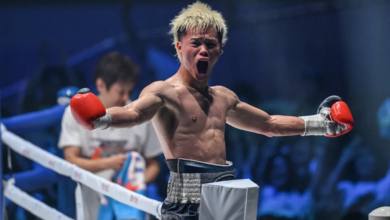
With boxing and MMA, there’s the tension of the scheduled walkout, the close-up of the fighters and the question of how a bout will develop once it begins. In professional wrestling, the appeal is different but just as immediate. The physical performance sits alongside characters, alliances, grudges and spectacular presentation. As Wikipedia’s overview of professional wrestling notes, it is a form of athletic theatre built around performance and storytelling.
That mixture is why a card can work for a room full of different people:
- The detail-focused viewer follows styles, match-ups and momentum.
- The casual fan joins in for the entrances and big moments.
- The long-time wrestling follower spots callbacks and character changes.
- The friend who claims not to be interested somehow has plenty to say by the main event.
It’s not unusual for the early matches to become the backdrop to food and conversation, then for the room to go quiet the moment a headline contest begins. That change in energy is part of the fun.
The story behind the card matters more than you might think
A good event preview does more than list names and start times. It helps you understand why each contest is happening, what is at stake and which personalities are likely to shape the conversation afterwards.
Wrestling is built for the long game
For WWE and AEW, a match can carry weeks or months of context. A former partnership falls apart. A champion grows increasingly isolated. A returning figure changes the mood of an entire division. The match itself matters, of course, but so does what it says about the characters once the final bell rings.
That’s why dedicated coverage is useful before a premium live event or major television special. Interviews can reveal a performer’s perspective, while analysis can remind you of the key moments that brought a rivalry to its boiling point.
When you’re catching up, it helps to separate the essentials from the noise:
- Who has the issue?
- What is on the line?
- What has changed lately?
- What should you watch for?
Boxing and MMA bring a different kind of context
Combat sport coverage works best when it adds clarity rather than noise. In boxing, the event’s shape may rest on a title, a rematch, a rivalry or an undercard bout that deserves attention in its own right. In MMA, the variety of striking and grappling approaches means the match-up itself is often a major talking point.
Mixed martial arts combines techniques from several combat disciplines, which is one reason a contest can change so quickly. Still, there’s no need to turn your living room into a studio panel. A little context goes a long way.
Before the show, look for:
- Official bout announcements and confirmed running orders
- Fighter or performer interviews from reputable outlets
- Event previews that distinguish confirmed information from opinion
- Post-event results pages, saved until you are ready for spoilers
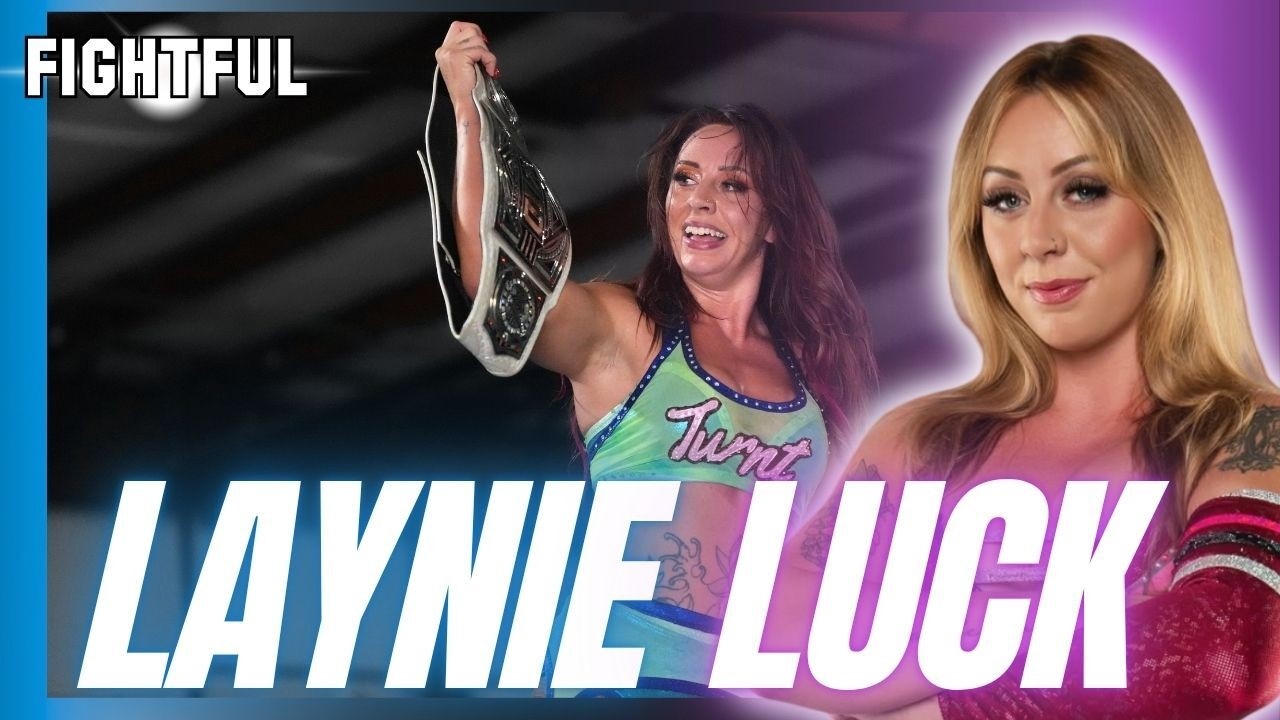
Fightful-style coverage is especially handy for viewers who enjoy the wider picture, including backstage interviews, video discussion, reaction pieces and event hubs that gather relevant reporting in one place.
Your viewing checklist, from start times to group-chat manners
A relaxed evening is usually better when the basics are handled before the broadcast begins.
Check the real start time
This sounds obvious, but international events can be awkward for UK viewers. The advertised event time may refer to an early card, a main broadcast or an overseas time zone. Look at the official broadcaster or promotion page, confirm the UK listing and remember that live cards can run longer than expected.
If you’re arranging a watch party, tell people two times:
- The time you’d like them to arrive
- The time the main broadcast begins
That gives everyone a fair chance of seeing the earlier action without the awkwardness of people appearing just as the main event starts.
Keep the setup simple
You don’t need themed decorations or an elaborate plan. A reliable stream, enough seating and food that doesn’t require much attention during key moments will do nicely.
A few useful touches:
- Test the television app or broadcast access in advance.
- Keep the remote somewhere obvious.
- Put phones on charge before the card starts.
- Have a spare blanket available if the event goes beyond midnight.
- Agree whether people are watching every match or dipping in and out.
I find the easiest approach is to make the room comfortable, then leave the schedule alone. No one wants to feel rushed through an event that’s supposed to be enjoyable.
Be thoughtful about spoilers
Spoilers can spread at astonishing speed, especially when viewers are watching on slightly different feeds or have social media open. It takes very little effort to protect the experience for others.
Try these simple rules:
- Don’t post results in a group chat until everyone has watched.
- Avoid putting outcomes in message previews or social captions.
- If you’re joining late, ask whether the room is live before making comments.
- Mute event-related terms online if you’re watching on delay.
- Keep any reaction to a surprising result in the room, not in a spoiler-heavy post.
The same principle applies to fan participation. Debate is half the fun, but there’s no prize for speaking over every entrance. Let people react differently. One person may be fascinated by production design; another may care only about the contest itself.
After the final bell, talk about the moments that landed
The post-show chat is often where an event earns its place in memory. Not every card is flawless, and it doesn’t need to be. A lively discussion can come from an unexpected finish, a clever piece of character work or an entrance that made the whole room sit up.
Entrances are part of the event, not just a walk to the ring
Wrestling entrances can establish status, mood and personality in seconds. Lighting, music, costume choices and camera work all contribute. The best ones tell you something before a move has been performed.
Boxing and MMA walkouts work differently, but they have their own importance. They create a pause before the action, giving viewers a last look at the competitors and building the sense that something significant is about to happen.
Production can lift a show
A large event needs to feel large. Commentary, arena sound, camera choices and pacing all affect what comes across at home. You might not notice the production when it works, but you certainly notice it when a replay is missed or the presentation feels flat.
A worthwhile post-show conversation might include:
- Which entrance set the tone?
- Did the main event feel like a fitting finale?
- Which undercard contest surprised you?
- Was there a storyline development worth revisiting?
- What were fans responding to online, once everyone had watched?
For wrestling fans, character storytelling is often the heart of it. A glance, a refusal to help a teammate or a change in attitude can be more memorable than a lengthy speech. For boxing and MMA audiences, the discussion may centre on the pace, the decisive moments and how the event was presented as a whole.
18+ Commercial | UK only
For UK readers aged 18+ looking for separate, at-home entertainment after the final bell, Virgin Games’ slots collection offers characterful, visual game experiences. Play responsibly; set limits and only spend what you can afford.
Where to go once the discussion starts
When you’re ready for more coverage, results pages are useful for confirming what happened, while interviews can add texture that isn’t obvious from the broadcast alone. Video discussions are often ideal for revisiting the biggest moments, particularly if your own watch party ended in a spirited disagreement.
For upcoming shows, event hubs can save time by gathering previews, confirmed cards, interviews and relevant reporting in one place. They are particularly helpful when WWE and AEW schedules are busy, or when a combat-sports weekend contains several notable cards.
The best approach is to pick the coverage that suits how you watch. Want only the outcomes? Read the results. Interested in the personalities and angles around the event? Go for interviews and analysis. Prefer the feeling of chatting through it with other supporters? A measured video round-up can be a good place to start.
At-home fight night works because it gives people something to experience together. Get the timing right, keep the spoilers under control, make room for differing opinions and enjoy the spectacle for what it is. The final bell may end the event, but it rarely ends the conversation.